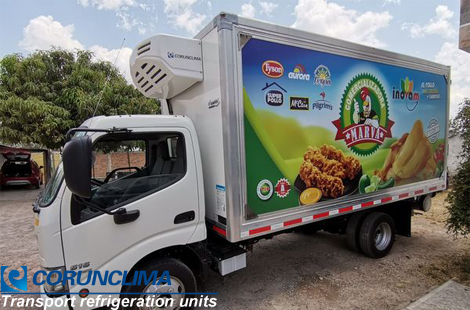
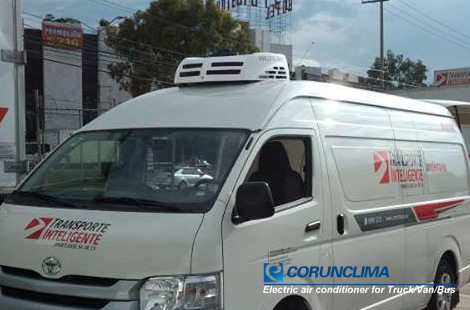
As global demand for fresh food, frozen products, and temperature-sensitive pharmaceuticals continues to rise, truck freezer units have become indispensable to cold chain logistics. These specialized refrigeration systems are designed to maintain cargo temperatures as low as -20°C under varying ambient conditions, making them critical for transporting meat, seafood, dairy, produce, and medicines.

Engine-driven freezer units remain a popular choice, as they draw power from the vehicle’s engine—eliminating the need for a separate diesel motor and reducing maintenance. Recent innovations focus on improving cooling capacity while cutting fuel consumption and weight. Features like aerodynamic condensers, lightweight evaporators, digital temperature controllers, and automatic hot-gas defrost systems now enable stable performance even on long hauls through hot climates.
Modern units are available for a wide range of vehicle sizes—from compact models suited for 12–22 m³ insulated boxes to large systems capable of cooling up to 60 m³ truck bodies. This variety lets fleet operators match equipment to their specific needs, avoiding unnecessary costs.
Energy efficiency is a key priority. Engine-driven systems typically consume less fuel than standalone alternatives, and many offer optional electric standby for parked operation, reducing emissions and supporting uninterrupted cold chains during loading or overnight storage. Intelligent digital controllers continuously monitor temperatures and adjust compressor activity, while hot-gas defrost minimizes frost buildup, preserving airflow and reducing manual upkeep.
Durability is built into every component, from corrosion-resistant condensers to robust electronic controls, ensuring reliable performance across demanding environments—whether coastal seafood routes or urban pharmaceutical deliveries. Looking forward, the industry is embracing sustainability through battery-powered units, EV-compatible cooling, and remote fleet monitoring technologies that track temperature and maintenance needs in real time.
As e-commerce grocery delivery, pharmaceutical logistics, and global food trade expand, demand for high-performance freezer units will only grow. Fleet operators are increasingly prioritizing lifecycle cost, reliability, and energy efficiency over upfront price. Manufacturers offering advanced cooling, smart controls, and strong after-sales support are well-positioned to lead this evolving market.
With ongoing innovation, truck freezer units are becoming more efficient, eco-friendly, and adaptable—ensuring they remain essential to the future of refrigerated transport.